
How to Match Rugs with Furniture and Wall Colors
Choosing the right rug is one of the most important steps in creating a beautiful and cohesive interior design. A well-selected rug can tie together furniture, wall colors, and decorative elements, transforming an ordinary room into a stylish and inviting space. Understanding how to match rugs with furniture and wall colors helps create balance, harmony, and visual appeal throughout your home.
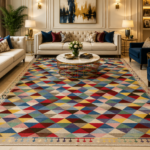
The first step is to consider your room’s color palette. Your rug should complement the existing furniture and wall colors rather than compete with them. If your walls and furniture feature neutral shades such as beige, gray, white, or cream, you have the flexibility to choose a bold rug with vibrant colors or intricate patterns. A colorful rug can act as a focal point and add personality to the room while maintaining a balanced look.
For rooms with colorful furniture or statement walls, it is often best to select a rug in softer or neutral tones. This prevents the space from appearing overly busy and helps create a harmonious design. The rug should support the overall color scheme and provide visual balance rather than introducing too many competing colors.
Another effective strategy is to use the 60-30-10 design rule. In this approach, 60% of the room consists of the dominant color, typically the walls; 30% includes secondary colors found in furniture and larger décor pieces; and the remaining 10% serves as an accent color. Your rug can incorporate one or more of these colors to create a cohesive and professionally designed appearance.
Patterns also play an important role in rug selection. If your furniture features solid colors and simple designs, a patterned rug can add depth and visual interest. Geometric, abstract, floral, or traditional motifs can enhance the room’s character without overwhelming the space. Conversely, if your furniture already includes bold patterns, a solid-colored or subtly textured rug may be the better choice.
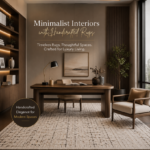
Texture is another key factor that is often overlooked. Flat weave rugs work well in modern and minimalist interiors, while plush wool rugs add warmth and comfort to traditional or luxurious spaces. Mixing different textures can create a layered and sophisticated look that enhances the overall ambiance of the room.
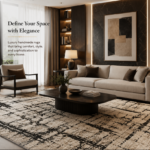
Room size and rug placement should also be considered. A rug that is too small can make a room feel disconnected, while a properly sized rug helps anchor furniture and define specific areas. In living rooms, the front legs of sofas and chairs should ideally rest on the rug to create a unified seating arrangement.
Natural materials such as wool rugs are particularly versatile because they blend beautifully with various furniture styles and wall colors. Their durability, comfort, and timeless appeal make them an excellent investment for both modern and traditional interiors.
In conclusion, matching rugs with furniture and wall colors requires thoughtful consideration of color, pattern, texture, and scale. By selecting a rug that complements your existing décor and enhances the overall design scheme, you can create a space that feels cohesive, comfortable, and visually appealing. The right rug not only completes a room but also reflects your personal style while adding warmth and elegance to your home.